




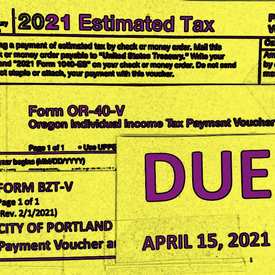




Just a reminder that 2021 1st quarter estimates are still due by 4-15-21
Yes, IRS & Oregon have both extended the 2020 individual tax filing deadline (for forms 1040/40) by one month, to May 17, 2021. But NOT the estimates...
If you are like many people, you are thinking about what may be ahead as you near retirement. Whether you are within a few years of retirement or still have decades to go, contributing as much as possible to your retirement plans can pay off big in the years ahead. But as you know, the contributions to various plans can change fro
When you own real estate investment properties, there are a lot of tax benefits to be aware of. One of those is depreciation, and it can save you quite a bit of money on your tax bill. While you probably already take other deductions on your property, the depreciation benefit is an extra one that's separate from the other deductions.
If you experience a job loss, you will of course have numerous questions as to how it will impact your job situation. Whether you are an employee who lost your job or a business owner who had to lay off your workers, here are some important details to keep in mind.
For most people, paying taxes is straightforward. You get a paycheck from your employer and the employer has already deducted the amount you owe to the IRS. When it comes time to file your tax return, the discrepancy between what you owe and what you already paid might be minimal.
In this gig economy, more taxpayers than ever before are receiving tip income. Whether the tips are from waiting tables, driving for Uber, or making home deliveries, those tips are considered taxable income. However, there is a lot of confusion over how to report tip income, what is the threshold for reporting and who should report it.
I hope everyone is healthy and staying as safe as possible…
Here are some recent Covid-19 resources for both individuals and businesses. Most are tax oriented since that is my arena, but there are safety & health resources too!
Do you have an elderly parent or adult relative that you take care of? It doesn’t have to be a parent; it could be an adult child with special needs, an elderly aunt or another close relative. As long as it is a qualifying relationship, the IRS allows you to claim such a persons as a dependent on your tax return.